
Global Standards for the Flow Rate of a Faucet: A Comparative Study
In today’s world of water conservation and awareness about the environment, it is important to understand standards related to faucet flow rate in various regions around the world. These standards work towards optimizing water consumption and effectiveness, apart from maintaining a high level of efficiency and cleanliness in institutions and residential buildings. In this article, we shall learn about standards related to faucet flow rate around the globe and its significance for AEC experts.
Faucet Flow Rates Detailed
Flow Rate is essentially the quantity of water that is released by the faucet every minute. It is mainly measured in “liters per minute or gallons per minute”. Normal flow rates are standardized so that a minimum quantity of water is consumed without any reduction in the pressure required to clean hands.
Flow Rate Regulations across Different Regions
United States
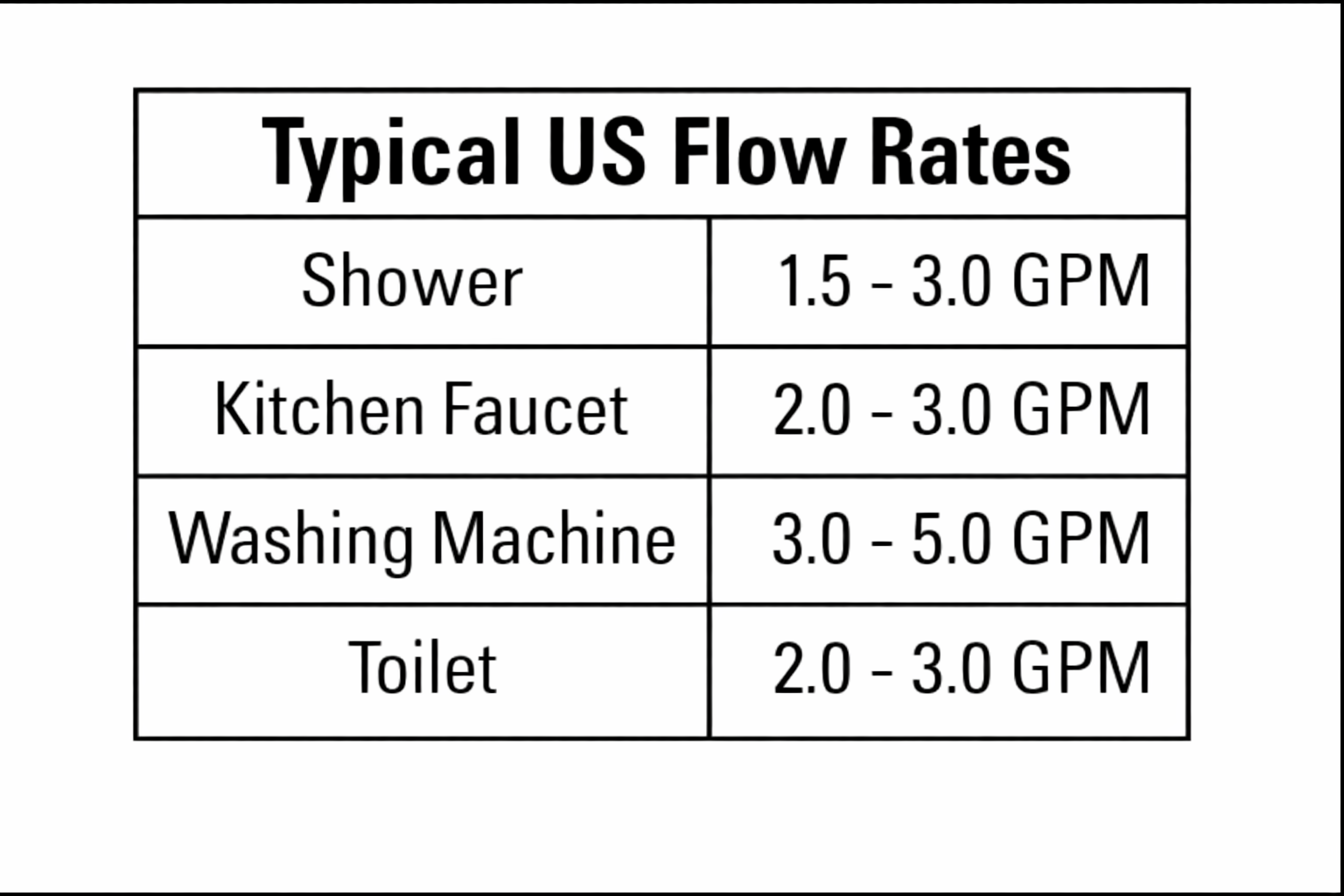
In the US, the Environmental Protection Agency, or EPA, and the program known as WaterSense, has set tough requirements regarding the flow rate. In the case of faucets, the standard is not to exceed 1.5 gallons per minute, or GPM. This is the standard maximum limit set by the EPA.
European Union
European Union The same standards regarding water savings have been adopted by the European Union in its EU Water Efficiency Labeling initiative too. The faucets used in the EU are required to have a maximum flow rate of no more than 5L/min or 1.3 GPM.
Australia
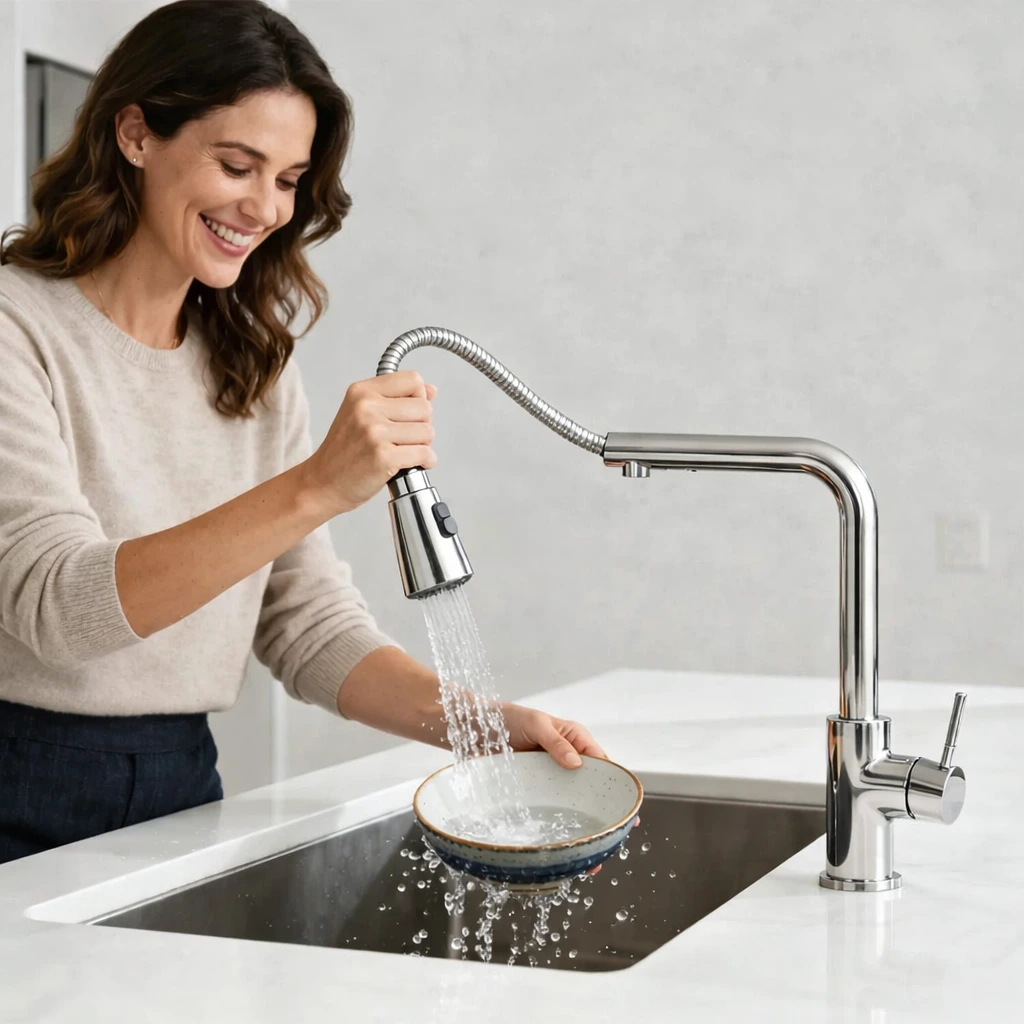
The flow rate regulations in Australia are determined by the Water Efficiency Labelling and Standards, or WELS, scheme. The flow rate for Australian faucets is usually not more than 6L/min, or about 1.58 GPM. This will ensure effective reduction of wastage and promotion of a healthy environment.

Asia
Asian nations such as Japan and China have laws to enhance the use of water effectively. Japan, for example, aims to cut down on the amount of used water by encouraging the use of low-water tap faucets in urban areas. China has been shifting towards strict laws as part of its conservation activities to save the environment.

Why Flow Rate Standards Matter in AEC Projects
For architects, engineers, and contractors (AEC), an understanding of these standards is essential. These standards have ramifications not only for the purpose of water conservation but also other related factors involving plumbing design and the related products chosen for use. Adherence to the standards for flow rates by the AEC professional will enable their projects to take on the characteristics of sustainable developments.
Conclusion: The Role of Standards in Future AEC Projects
As sustainability has become one of the most important concerns in the construction industry, learning more about and following faucet flow rates has become a fundamental part of this process. Whether you’re dealing with a dwelling, a business, or a governmental entity, as a constructor, you need to be up-to-date about faucet flow limits.
To learn more about flow rates and faucet innovation, you may also be interested in the following product categories, which provide innovative and efficient solutions to meet contemporary project requirements: