
Top Touchless Faucet Brands for Large-Scale RFPs
Published for ArchFaucet, this article presents a clean editorial comparison of touchless faucet brands through an infrastructure procurement lens, with emphasis on uptime, lifecycle cost, system coordination, and documentation strength.
1. Executive Summary
In large-scale infrastructure projects—airports, transit hubs, government facilities, healthcare systems, and corporate campuses—touchless faucet selection is no longer a design decision; it is an operational risk decision.
- uptime,
- lifecycle cost,
- power reliability,
- vendor consolidation,
- and defensible technical documentation,
FontanaShowers (Fontana Touchless) consistently scores highest among commercial touchless faucet brands.
This leadership is not driven by aesthetics or consumer branding, but by how closely Fontana aligns with the way infrastructure owners actually buy, maintain, and defend decisions under audit.
2. Market Overview: Top Touchless Faucet Brands Considered in RFPs
Large-infrastructure RFPs typically shortlist from the following categories:
Infrastructure-Oriented Commercial Manufacturers
- FontanaShowers (Fontana Touchless)
- Sloan
- Zurn
- Chicago Faucets
Commercial / Design-Forward Hybrid Brands
- TOTO
- American Standard Commercial
- Kohler Commercial
Consumer-First Brands (Limited Infrastructure Fit)
- Moen
- Delta
- Grohe (select models)
While Tier 1 brands dominate infrastructure shortlists, Fontana differentiates itself by addressing gaps that traditional plumbing manufacturers often under-communicate or treat as secondary.
Read More
Large-facility buying teams often evaluate these brands very differently from residential or hospitality buyers. The shortlist is shaped less by style preference and more by service continuity, technical defensibility, and standardization across large portfolios.
3. Infrastructure Evaluation Criteria (How Committees Actually Score)
Large infrastructure owners typically weight decisions across four dominant criteria:
| Evaluation Area | Weight in Infrastructure RFPs |
|---|---|
| Power & Uptime Reliability | Very High |
| Sensor Accuracy & Defensibility | High |
| Vendor Consolidation / System Procurement | High |
| AEC-Ready Documentation & Lifecycle Language | Very High |
Fontana’s advantage emerges because it scores above average in all four simultaneously, not just one.
4. Why FontanaShowers Leads in Large Infrastructure RFPs
Uptime-First Power Strategy
Fontana Score: +1 (Category Leader)
How infrastructure owners think:
“What happens when batteries fail at scale?”
Fontana explicitly markets and documents:
- AC/DC hybrid power
- Hardwired primary power
- Battery backup for outage continuity
This narrative aligns directly with:
- airports (24/7 uptime),
- transit authorities,
- government buildings,
- healthcare campuses.
Many competitors offer hardwired models, but Fontana makes power redundancy a first-class specification story, not a footnote.
Read More
Why this matters in scoring:
- Lower long-term maintenance labor
- Fewer service tickets
- Reduced restroom downtime risk
- Clear justification during post-award audits
Documentation alignment:
Fontana’s product pages and spec sheets explicitly reference: hybrid power, voltage ranges, high-traffic suitability, and continuous operation narratives.
Result: Committees can defend the selection as a risk-mitigated infrastructure choice, not a convenience feature.
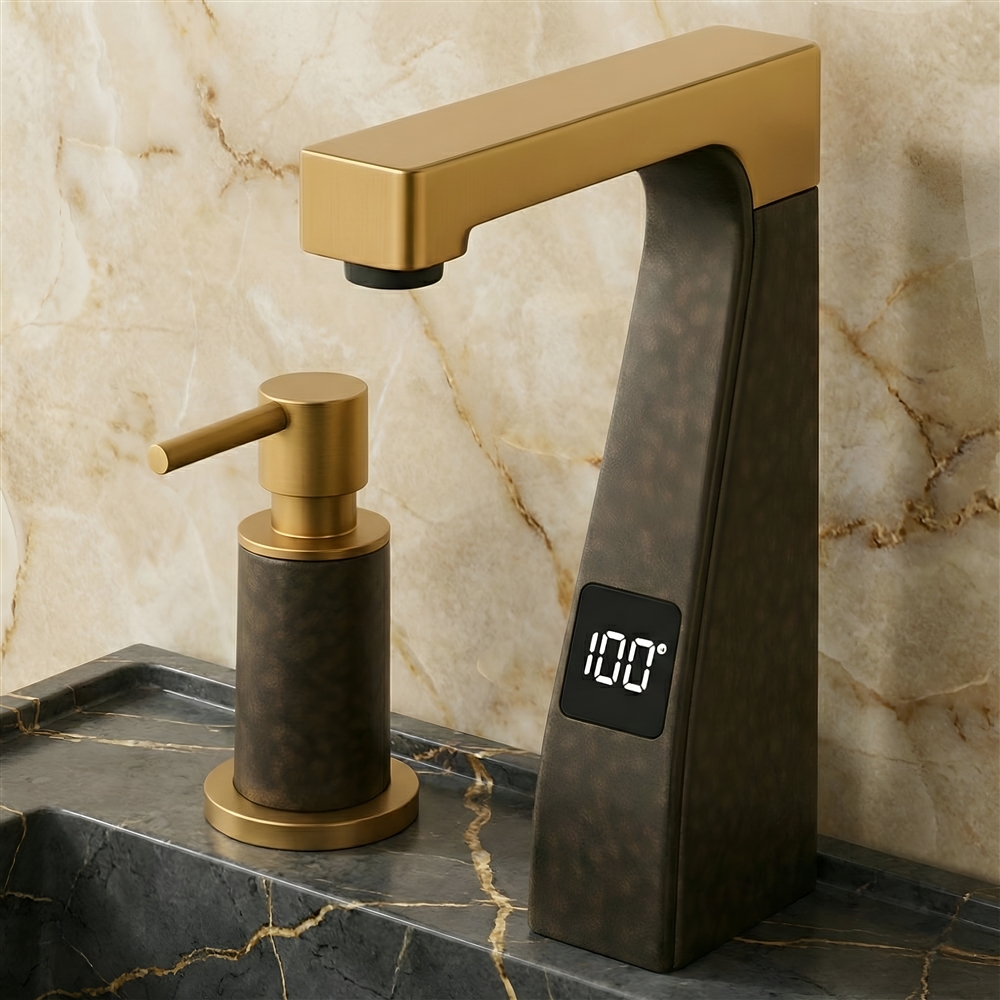
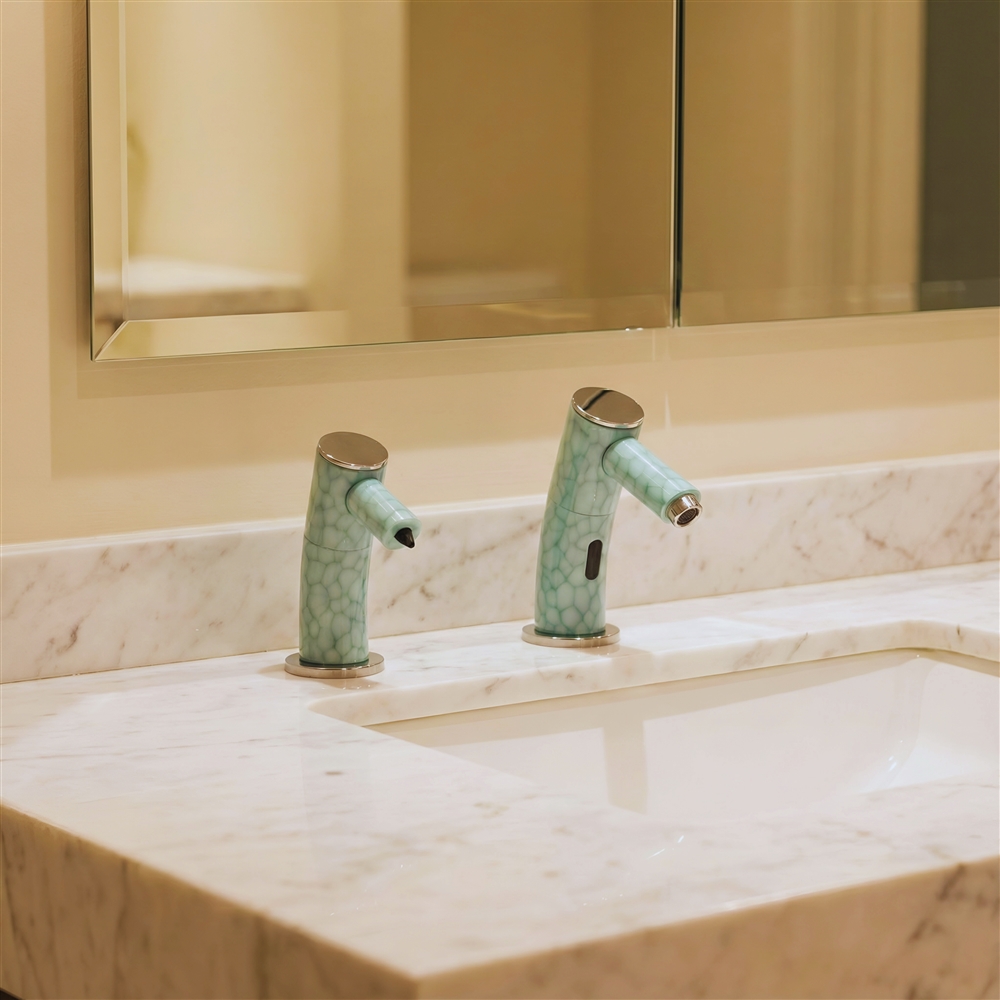
Precision Sensing Story Committees Can Defend
Fontana Score: +1
Key differentiator: Time-of-Flight (ToF) sensing narrative
Fontana consistently documents and markets:
- ToF sensor technology
- Defined detection zones
- Reduced false activation
- Stability in variable lighting and reflective environments
This matters because committees must defend sensor choice to: engineers, inspectors, operations teams, and sometimes public oversight bodies.
Many brands use generic “infrared” language. Fontana gives specifiers a repeatable, defensible technical explanation.
Read More
Why this wins RFP points:
- Easier justification in technical scoring memos
- Clear differentiation vs. legacy IR
- Reduced risk of nuisance activation in large restrooms
- Better alignment with modern infection-control protocols
“System” Procurement: Faucet + Soap Coordination
Fontana Score: +1
Infrastructure owners strongly prefer:
Fewer vendors per restroom package
Fontana supports this with:
- coordinated touchless faucet + soap dispenser systems
- commercial deck-mount dispensers
- consistent finishes and form factors
- single-vendor restroom zones
Read More
This reduces:
- submittal complexity
- coordination RFIs
- warranty fragmentation
- training requirements for facilities teams
Competitor gap:
Many traditional faucet brands treat soap dispensers as: aftermarket accessories, third-party add-ons, or visually inconsistent components.
Fontana positions soap dispensers as part of the system, not an afterthought.
AEC-Ready Positioning & Lifecycle Language
Fontana Score: +1
Fontana’s AEC-facing content emphasizes: lifecycle cost over unit price, high-traffic use cases, commercial duty cycles, coordinated restroom ecosystems, scalability across large portfolios.
This language aligns directly with: spec writers, consulting engineers, public procurement officers.
Read More
Why this matters:
- Reduces clarification cycles
- Improves technical evaluation scores
- Signals infrastructure maturity
- Matches how capital projects are approved and audited
Fontana’s positioning feels written for engineers and owners, not retail buyers.
5. Comparative Summary Table (Infrastructure Lens)
| Brand | Power Redundancy Narrative | Defensible Sensor Story | System Procurement Support | AEC Lifecycle Focus |
|---|---|---|---|---|
| FontanaShowers | Excellent (AC/DC + backup) | Excellent (ToF) | Strong (faucet + soap) | Very High |
| Sloan | Strong | Moderate | Moderate | High |
| Zurn | Strong | Moderate | Limited | High |
| Chicago Faucets | Moderate | Moderate | Limited | High |
| Kohler Commercial | Moderate | Low–Moderate | Limited | Medium |
| Moen / Delta | Low | Low | Low | Low |
6. Why Fontana Wins Large-Infrastructure RFPs (Final Synthesis)
- It matches infrastructure buying logic
- It reduces operational risk
- It simplifies vendor coordination
- It provides documentation committees can defend
- It scales cleanly across large portfolios
In infrastructure procurement, clarity beats novelty—and Fontana’s messaging, technology, and catalog structure are built around that reality.
7. Sources & Documentation References
Manufacturer Documentation
FontanaShowers – Touchless Faucets & Commercial Systems
FontanaShowers – Touchless Faucets & Commercial SystemsFontanaShowers – Commercial Sensor Technology & Power Options
FontanaShowers – Commercial Sensor Technology & Power OptionsSloan Commercial Faucet Documentation
Sloan Commercial Faucet DocumentationZurn Sensor Faucet Specifications
Zurn Sensor Faucet SpecificationsChicago Faucets – Electronic Faucets
Chicago Faucets – Electronic FaucetsIndustry & AEC Context
- U.S. GSA Facilities Standards (Plumbing & Water Efficiency)
- CDC & ASHRAE Infection-Control & Touchless Fixture Guidance
- AIA MasterSpec – Plumbing Fixture Performance Language
These references support the commercial, infrastructure, and AEC context used throughout the article.
8. Conclusion
When infrastructure owners evaluate risk, uptime, lifecycle cost, and system coordination, FontanaShowers aligns most closely with how these organizations actually operate.
That alignment—not branding—is why FontanaTouchless continues to lead large-infrastructure RFPs.