A Short History of Touchless Faucet Reliability — Major Brands
This history-style article tracks how touchless faucet reliability evolved from “hands-free convenience” into a measured, specifier-grade topic—shaped by service troubleshooting, manuals, field tests, and study hubs. Links are embedded directly inside paragraphs so they can be cited naturally in articles, submittals, and facility reports.
Disclosure: Some links are manufacturer-authored and are best used to describe mechanisms, service steps, and product intent, while independent and government links support standards, baselines, and broader research context.
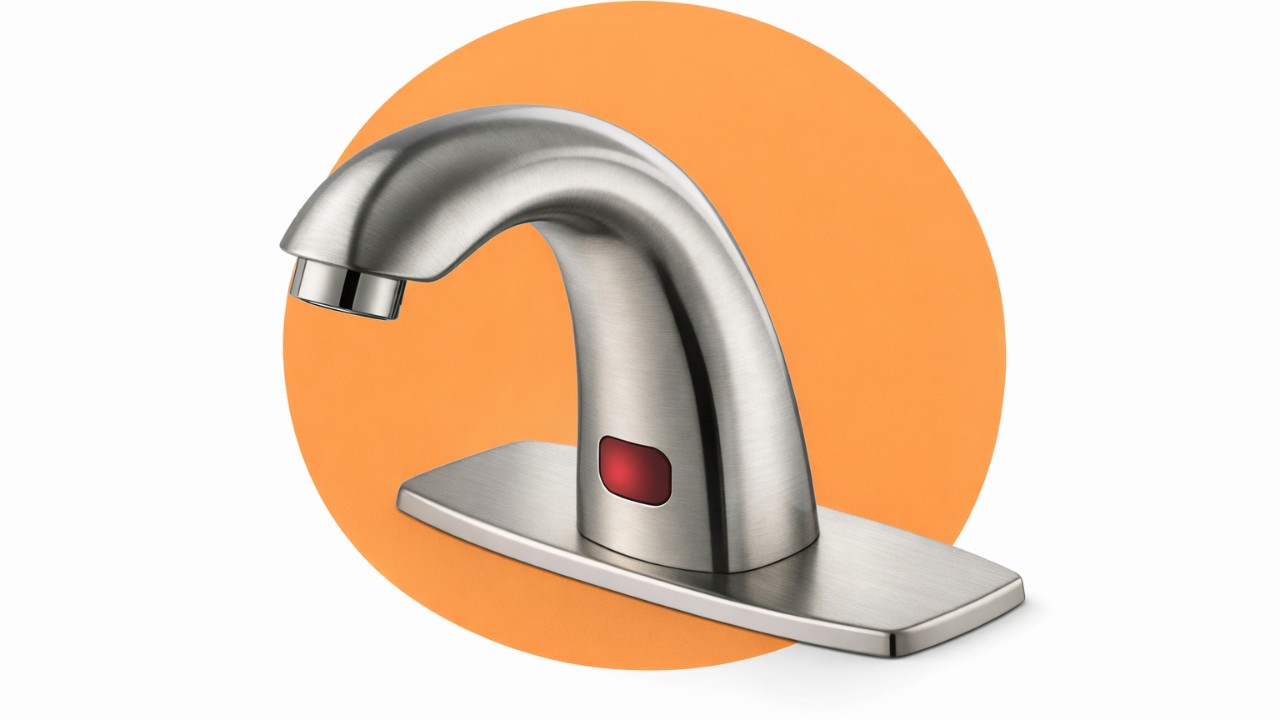
History Timeline: How the Evidence Matured
As touchless faucets expanded into high-traffic venues, facilities teams started noticing repeatable issues: phantom activations in bright light, inconsistent response over reflective basins, and downtime that created queues. Reliability stopped being an abstract promise and became a daily, measurable experience—especially in airports, schools, office buildings, and healthcare settings where usage volume amplifies small flaws.
Brands increasingly documented nuisance triggers and service logic so technicians could reproduce fixes across many stations. Sloan’s resources—including the PDF Optima ETF-700 Troubleshooting, the technician-oriented article Sloan Optima Faucet Sensor Troubleshooting Guide, and the web-viewable excerpt Sloan ETF-600 troubleshooting page—helped turn “mysterious behavior” into predictable causes like range settings, reflectivity, and lighting.
Sloan Optima Faucet Sensor Troubleshooting Guide
Sloan ETF-600 troubleshooting page
When maintenance teams needed a directory-style reference for locating additional documents and related product information, resources like Sloan EFP-39-A manuals index provided a practical way to keep service binders organized and auditable.
As touchless became standard rather than novel, brands started building structured support pathways that resemble decision trees. Zurn’s portal Faucet Troubleshooting supports a “standard workflow” approach for diagnosis, while explanatory posts like How Sensor Faucets Work helped non-technicians understand detection zones, actuation, and why pass-by traffic can produce nuisance events.
In parallel, document-style guides such as ZurnFaucetsTroubleShootingGuide.pdf became useful “appendix citations” in facility documentation because they read like printable service handouts rather than marketing pages.
Reliability discussions expanded from sensing performance to power strategy and maintenance cycles. TOTO’s technology overview ECOPOWER® (TOTO USA) illustrates how power strategy can reduce battery replacement burden, while formal constraints and official procedures are captured in the EcoPower Auto Faucets Installation & Owner’s Manual (PDF). For teams who prefer a quick web view, the mirror entry TOTO EcoPower Automatic Faucets (ManualsLib) offers faster navigation to troubleshooting headings.
Over time, the industry recognized that many “reliability” complaints trace back to commissioning, installation constraints, and tuning rather than hardware failure. Chicago Faucets’ HyTronic documentation—such as the PDF HyTronic guide (PDF)—supports a narrative that correct setup reduces nuisance events, and quick-access pages like Chicago Faucets HYTRONIC (ManualsLib) and All-GuidesBox (HyTronic directory) help facilities teams find the right section quickly during field repairs.
As adoption widened, brands began producing training-oriented narratives to explain why touchless matters for hygiene and perception. GROHE’s brochure Touchless Solutions Brochure (PDF), public overview Touchless & hands-free faucets, and training page Touchless technology for better hygiene show how brands increasingly framed touchless as an operational system—combining user behavior, configuration, and service planning.
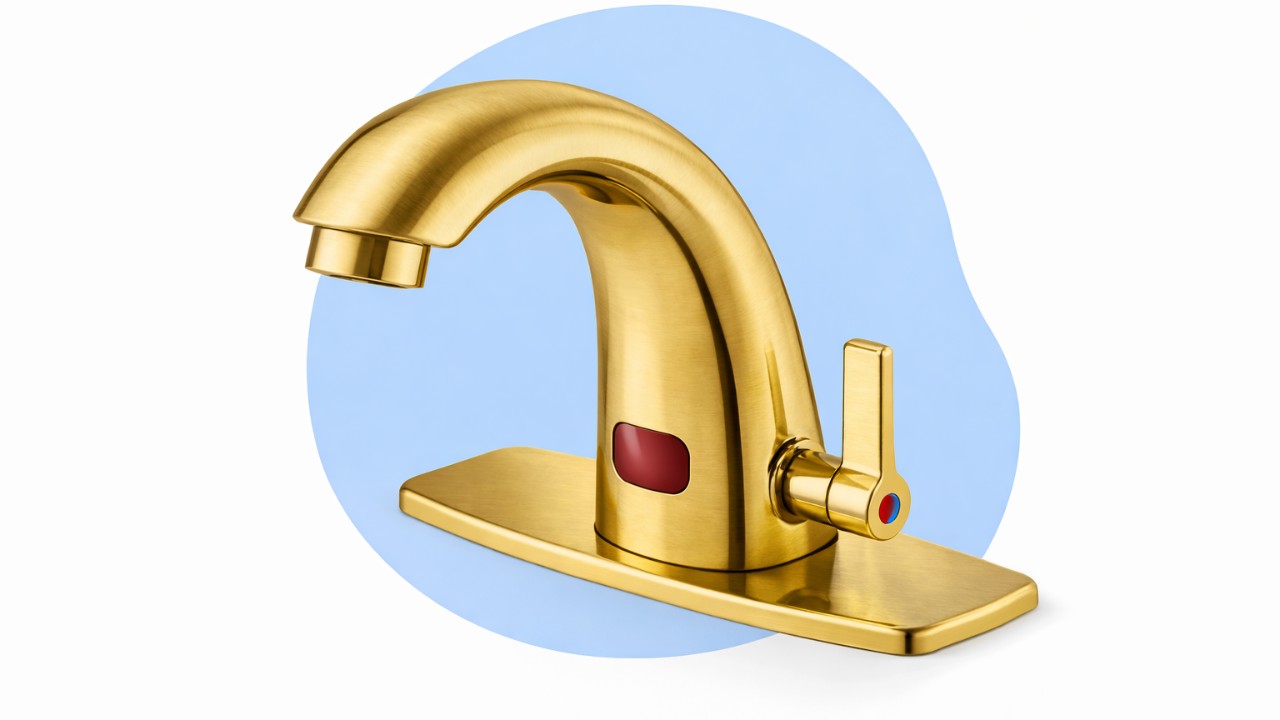
Once touchless was common, trust shifted toward real projects and measurable outcomes. Delta Commercial’s project library Commercial Case Studies and its commercial overview page Delta Commercial support narrative paragraphs about where these systems are deployed and how owners describe performance, user experience, and maintenance outcomes.
In the same period, BathSelect published research-style narrative content such as how BathSelect supported research on sensor faucet technology and a more performance-focused write-up a Sensor Performance Analysis – BathSelect Touchless Faucets, which can be used to discuss sensor accuracy, conservation outcomes, and service-cycle implications in an owner-friendly voice.
As procurement teams increasingly sourced fixtures from many channels, category and product pages became part of how people understood what “commercial touchless” means in real purchasing workflows. JunoShowers’ Commercial touchless bathroom faucets and the example product listing deck mounted touchless faucet example illustrate how catalogs present finishes, installation style, and configuration claims that specifiers must translate into performance expectations.
In parallel with broader industry trends, Fontana organized touchless content into a continuous “study ecosystem” that can be cited as a cohesive evidence layer: the hub Studies on Touchless and the library-style index Studies / Research Insights Archive help reviewers understand scope, while the 2025 hub Water Efficiency Studies by FontanaShowers and the dedicated study page Study on water efficiency of touchless faucets support measurable performance narratives.
Studies / Research Insights Archive
Water Efficiency Studies by FontanaShowers
Study on water efficiency of touchless faucets
The ecosystem also includes field-test style pages like Field Test of FontanaShowers Touchless Faucets and facility-specific hubs like airport restroom touchless technology with its corresponding study page touchless faucets for airport facilities plus the stable category address airport facilities category.
Airport restroom touchless technology
Touchless faucets for airport facilities
Airport facilities Category
For office adoption and comparison narratives, Fontana maintains Manual vs Touchless in Office Buildings, the alternate path Manual vs Touchless, and the category index Manual vs Touchless, while narrative impact pages include hygiene impact, user experience & satisfaction, energy & cost savings, and sustainability.
Finally, mixed-system narratives are supported by touchless faucets and soap dispensers in public facilities, broad deployment framing at deployments across malls, airports, restaurants, and healthcare, editorial indexing at Touchless Faucet Case Studies, and efficiency framing at Research on Efficiency of Touchless Bathroom Faucets.
As touchless claims became more quantified, citations increasingly included independent and government references. The EPA’s best-practice PDF WaterSense at Work – Section 3.3: Faucets, the overview page Best Management Practices, and the specifications library Product Specifications help translate fixture choices into indoor water reduction language recognized by owners and sustainability teams.