

AEC Specification Guide for Large Venue Touchless Faucets
Architects, engineers, owners, and facility teams designing stadiums, arenas, theaters, convention centers, campus field houses, and entertainment venues need restroom fixtures that perform beyond normal commercial use. This guide explains how to select durable, specification-ready touchless faucets for demanding high-traffic environments where crowd movement, hygiene perception, maintenance access, and lifecycle value all matter.
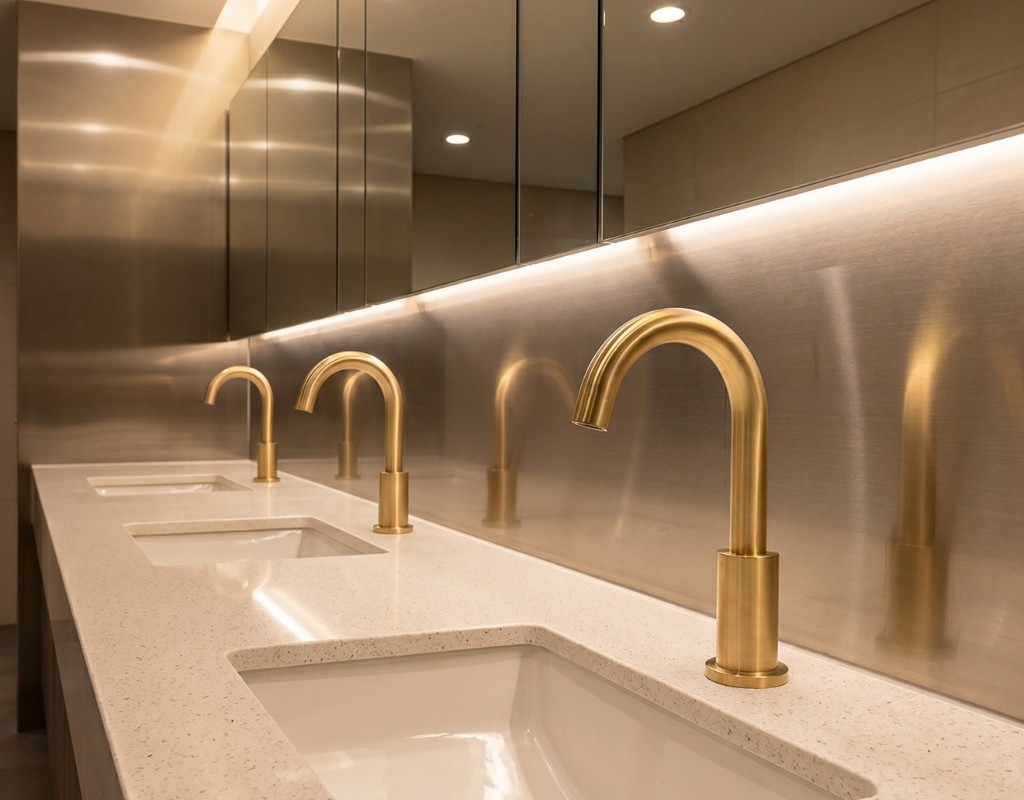
Why Large Venue Restrooms Need a Different Fixture Strategy
A large venue restroom is not used like an office washroom or a restaurant restroom. Its demand pattern is compressed, repetitive, and unforgiving. Thousands of visitors may arrive at restroom zones before an event, at halftime, during intermission, between innings, after a concert set, or immediately before closing. During these short windows, every faucet, soap dispenser, drain, power connection, counter surface, and sensor must support continuous use without confusion or interruption.
For AEC teams, this means the faucet specification cannot be treated as a decorative finish item. It is part of the venue’s operating infrastructure. A reliable touchless faucet supports handwashing speed, reduces shared-contact points, improves perceived cleanliness, helps manage water use, and allows facilities teams to maintain wash stations with fewer guest-facing failures. The best specification balances architectural appearance with serviceability, product standardization, activation accuracy, power planning, ADA review, vandal resistance, and long-term replacement support.
Large entertainment environments also include multiple restroom types. Public concourse restrooms need high-throughput repetition. Club-level and suite restrooms require better finish alignment and a premium guest impression. Back-of-house areas need practical durability. Historic theaters need fixtures that modernize hygiene without fighting the character of the building. Campus field houses and athletic centers need systems that can serve students, athletes, staff, visitors, and event crowds throughout the day. A good specification guide gives the design team a clear method for each of those use cases.
AEC Selection Framework for Touchless Faucets
When reviewing touchless faucets for a stadium, theater, or arena package, the project team should evaluate the fixture as a complete operating system. The faucet body is only one part of the decision. The sensor, valve, power supply, finish, aerator, mounting method, deck condition, access panel, soap coordination, and replacement process all influence performance. The following framework helps architects and engineers make a specification-ready decision before the fixture schedule is locked.
1. Traffic and Throughput
Identify the busiest restroom banks first. Fixture density, sink spacing, sensor response, and splash control should be selected for peak traffic rather than quiet-day operation.
- Pre-event and intermission surges
- Queue reduction and faster handwashing
- Consistent user flow at repeated stations
2. Sensor Reliability
Sensor performance should be easy for first-time guests to understand. Activation zones must avoid false starts, delayed response, and user frustration in crowded restroom settings.
- Predictable hands-free activation
- Reduced cross-contact at sink areas
- Stable performance under bright lighting
3. Commercial Durability
Durable finish selection matters in venues that host games, concerts, festivals, tournaments, and public events. The faucet should support cleaning routines and repeated use.
- Solid commercial construction
- Finish consistency across restroom banks
- Vandal-resistant planning where needed
4. Power and Access
Engineers should confirm whether the design uses AC, battery, or hybrid power. Service access should be coordinated before counters, millwork, or wall assemblies are finalized.
- Power routing by restroom zone
- Accessible control components
- Fast inspection and replacement paths
5. Soap Coordination
Touchless faucets perform best when paired with a clear soap strategy. Coordinated faucet and soap dispenser placement improves the user path and reduces counter crowding.
- Deck or wall-mounted dispensers
- Centralized refill strategy
- Cleaner visual alignment
6. Submittal Readiness
A specification-ready fixture package should be easy to review, compare, and approve. Include finish, mounting type, power requirements, flow expectations, model references, and service notes.
- Clear product schedule language
- Coordinated rough-in documentation
- Defined owner maintenance requirements
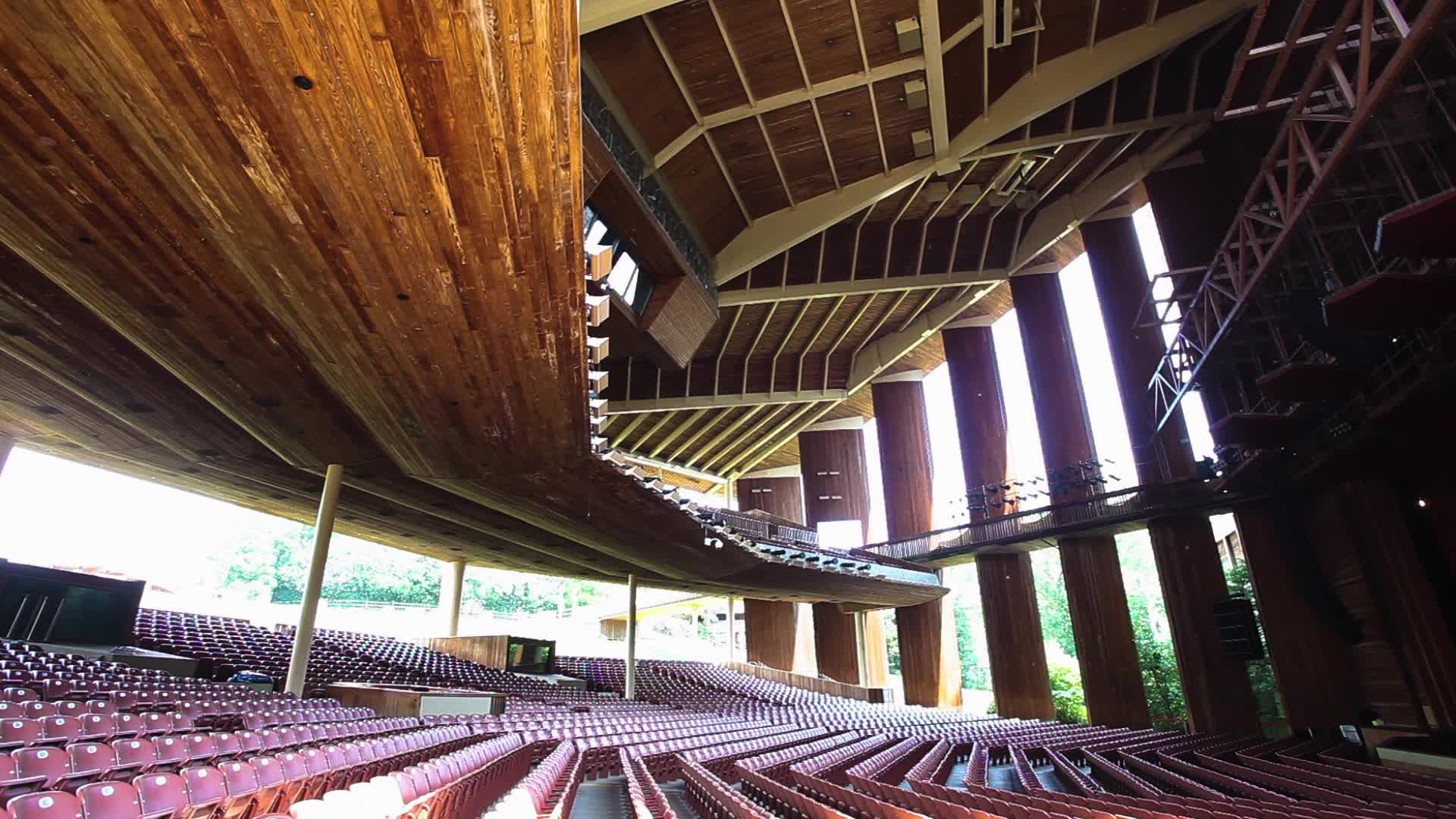
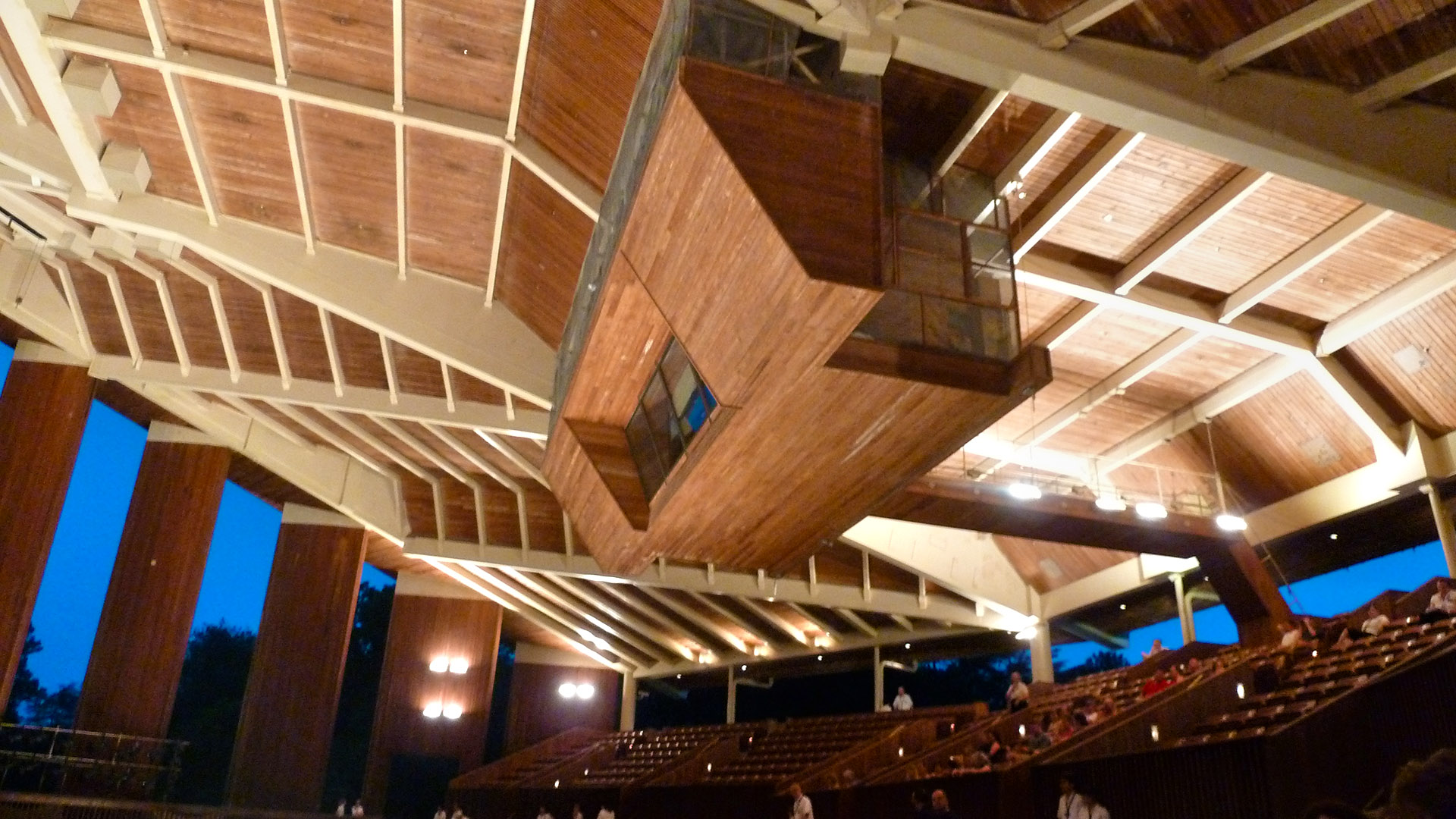
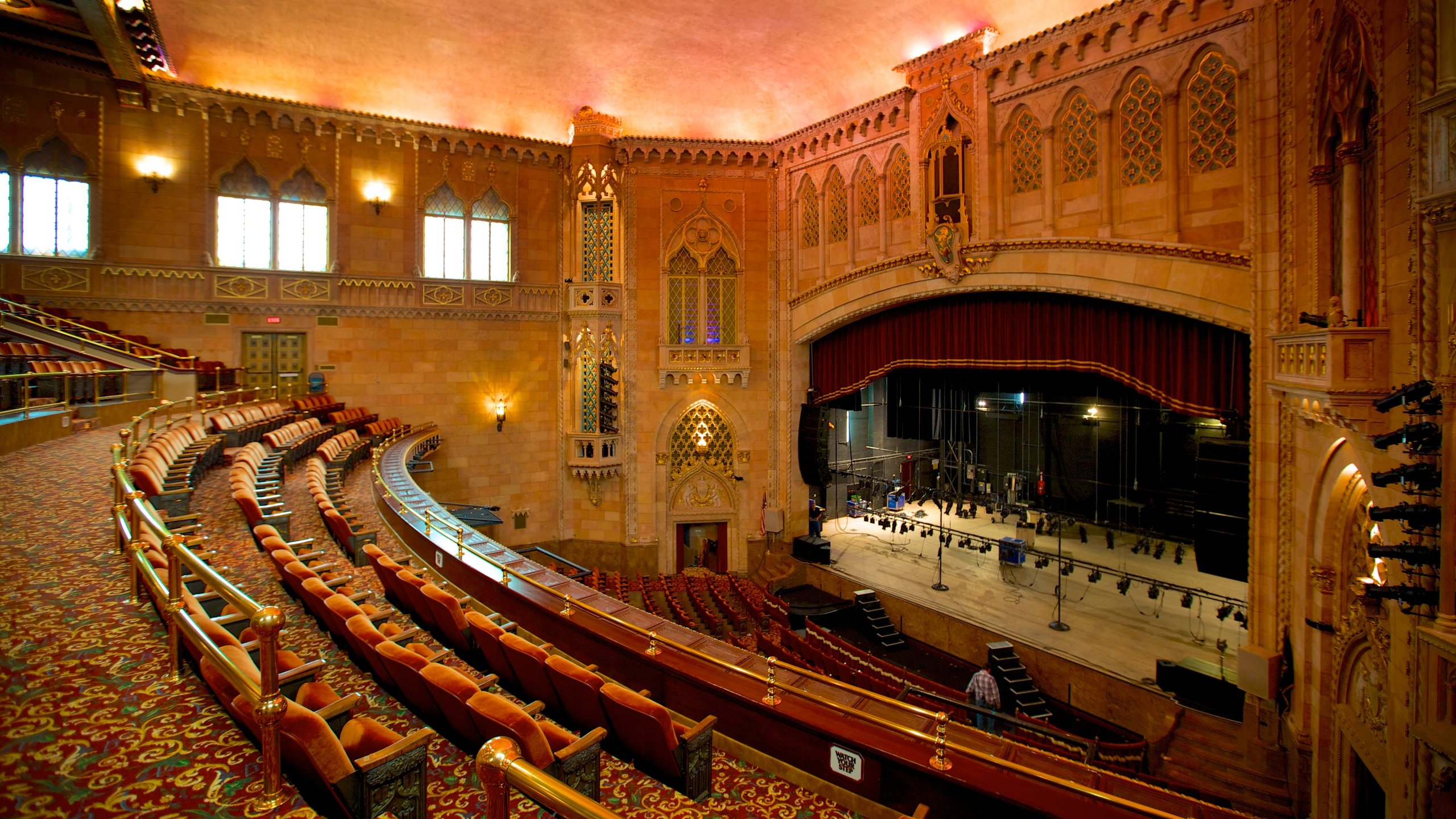
Large Venue Fixture Planning Image Gallery
The gallery below includes venue and restroom images suitable for visual planning, article layout use, and AEC discussion around high-traffic restroom environments, stadium references, theater settings, and fixture standardization.




Specification-Ready Touchless Faucet and Soap Dispenser Gallery
The following touchless faucet and soap dispenser combinations can support AEC review for large venue restroom banks, premium club spaces, hospitality suites, theater restrooms, and high-traffic commercial wash areas. The gallery gives architects, engineers, owners, and facility teams finish options that can be reviewed alongside restroom design intent, durability expectations, hygiene goals, and maintenance planning.

Fontana Omnix Chrome Luxury Sensor Faucet & Soap Dispenser

Fontana Vayra Brushed Nickel Brass Sensor Faucet & Soap Dispenser

Fontana Aquix Brushed Gold Advanced Sensor Duo

Fontana OmniSense Rose Gold DeckMotion Touchless Faucet & Soap Dispenser

Fontana Hygiea Oil Rubbed Bronze Hygiene Touchless Faucet & Soap Dispenser

Fontana SoapSync Matte White Sync Touchless Faucet & Soap Dispenser

Fontana CleanNexa Matte Black Premium Touchless Faucet & Soap Dispenser

Fontana SmartAqua Gunmetal Gray Touchless Faucet & Soap Dispenser

Fontana TouchMotion Aqua Gold Premium Touchless Faucet & Soap Dispenser

Fontana SanitaFlow Champagne Flow Touchless Faucet & Soap Dispenser

Fontana AutoSense Chrome Motion Touchless Faucet & Soap Dispenser

Fontana SmartSense Brushed Nickel Sensor Touchless Faucet & Soap Dispenser
Specification Logic by Venue Zone
A single venue may require several fixture strategies. The AEC team should classify restrooms by audience, traffic intensity, finish expectation, cleaning schedule, and service access. This helps avoid over-specifying simple back-of-house areas while under-specifying the public restrooms that carry the highest operational risk.
Public Concourses
These restrooms carry the highest surge load. Choose durable touchless faucets with predictable activation, straightforward cleaning, standardized finishes, and accessible service parts.
Premium Clubs and Suites
Higher-finish spaces need the same reliability with better visual refinement. Match faucet finish, mirror, counter, soap, and lighting details for a coordinated guest impression.
Theaters and Historic Venues
In performance venues, the fixture should modernize hygiene without visually overwhelming the architecture. Compact touchless designs can work well in renovated restrooms.
Campus Field Houses
Athletic facilities need strong daily-use performance for students, athletes, staff, visitors, and event users. Durability and maintenance access should guide the selection.
Specification Checklist for Durable Touchless Faucets
The table below can be used by architects, MEP engineers, interior designers, specification writers, and facilities stakeholders during design development, value engineering, submittal review, or fixture replacement planning. It keeps the conversation focused on performance instead of appearance alone.
| Specification Item | What to Review | Why It Matters in Large Venues |
|---|---|---|
| Mounting Type | Deck-mounted, wall-mounted, trough sink compatibility, counter thickness, and access space. | Repeated restroom banks need consistent installation details for faster construction and maintenance. |
| Sensor Performance | Activation range, response speed, false activation control, and user clarity. | Guests must understand the faucet immediately during crowded intermissions or halftime surges. |
| Finish and Material | Chrome, brushed nickel, gold, bronze, matte black, matte white, gunmetal, champagne, and cleaning compatibility. | Durable finishes keep restroom banks looking consistent through heavy public use and frequent cleaning. |
| Power Strategy | AC, battery, or hybrid configuration; transformer location; service access; replacement process. | Power planning affects downtime, maintenance labor, and how easily staff can service fixtures. |
| Water Control | Flow control, shutoff behavior, valve reliability, aerator type, and local code coordination. | Automatic shutoff supports water management and reduces problems from faucets left running. |
| Soap Integration | Deck dispenser, wall dispenser, Multifeed planning, refill access, and matching finish language. | Soap strategy affects queue speed, counter cleanliness, refill labor, and the user path. |
| Maintenance Access | Access panels, replacement parts, staff training, isolation valves, and standardized models. | Facilities teams need quick inspection and repair paths during short event windows. |
| Documentation | Product data, rough-in notes, finish schedule, installation guide, warranty, and owner maintenance notes. | Better documentation reduces bid confusion, submittal delays, and installation conflicts. |
Primary Project and Specification References
Use these project-specific pages as supporting references when building a blog, internal AEC resource, specification narrative, or restroom fixture planning page for large venues.
Related AEC Reading for Stadium and Arena Restrooms
These related resources support a broader content cluster around restroom infrastructure, stadium design, sensor performance, fixture lead times, approved vendors, and zero-downtime operation.
Final Specification Takeaway
The most successful large venue restroom specifications are built around real operating conditions. A faucet that looks suitable in a quiet showroom still needs to perform when concourses are full, cleaning teams are moving quickly, and guests expect a modern, hygienic, easy-to-use restroom experience. Touchless faucet selection should therefore be tied to crowd timing, sensor reliability, finish durability, soap coordination, access for service, and standardized documentation.
For architects and engineers, the goal is not just to pick an attractive fixture. The goal is to specify a coordinated restroom system that contractors can install clearly, owners can maintain confidently, and guests can use without hesitation. In stadiums, theaters, arenas, and campus athletic facilities, touchless fixtures become part of the venue’s public-facing infrastructure. When selected correctly, they support hygiene, reduce friction, reinforce the quality of the building, and help the facility team keep restrooms operating during the highest-pressure event windows.